

Sewage Cleanup & Removal in Denver, CO
Abbotts Cleanup & Restoration is a Denver-based restoration company specializing in disaster recovery for properties damaged by storm, flood, fire, and mold. Sewage cleanup in Denver County is one of the most hazardous jobs we do, and it is one we respond to around the clock. Contaminated water spreads bacteria and pathogens fast, so we contain the hazard first, then extract, decontaminate, and restore your property to a safe, pre-loss condition.
Sewage Cleanup & Removal

Services
- P24 / 7 Emergency Response
- PWater Extraction & Drying
- PDehumidification
- PContent Moving & Storage
- PProperty Cleanup
- PSewage Cleanup
- PDecontamination
- PProperty Restoration
- PInsurance Claim Management
- POne Year Warranty
- PFinancing Options
Looking for sewage cleanup services near me in Denver, CO?
Do I need professional sewage cleanup?
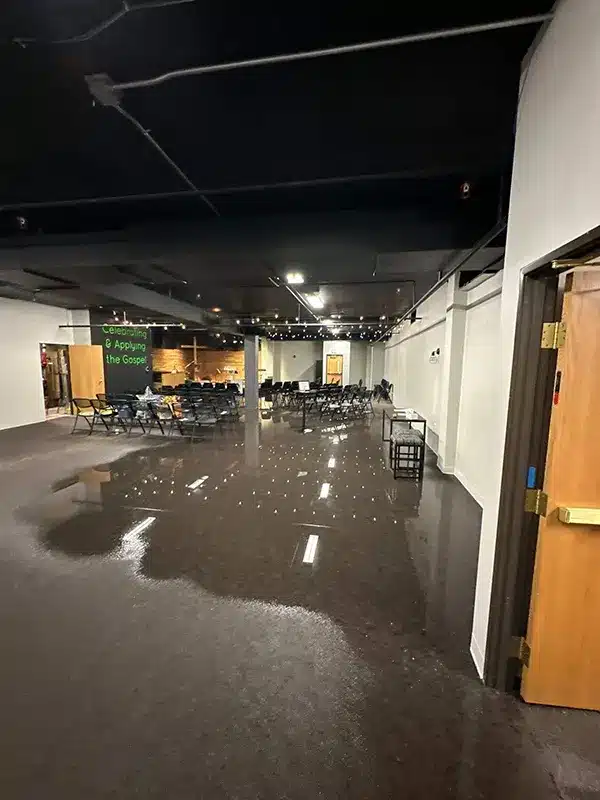
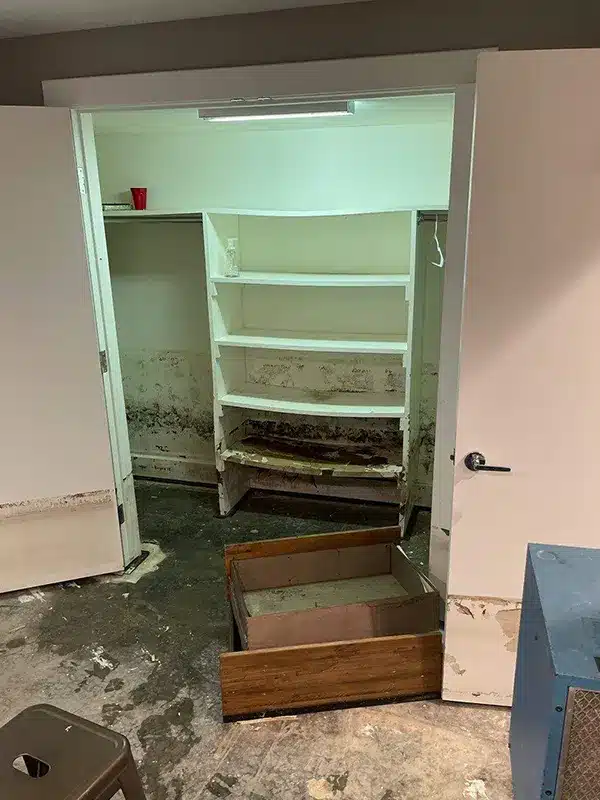
Sewage backups and overflows are a serious health threat, especially indoors. Contaminated water carries bacteria, viruses, and bloodborne pathogens that make DIY cleanup risky. Sewage also soaks into drywall, subfloor, and framing, where it feeds mold within days if it is not dried and decontaminated correctly.
Contain the affected area first so the contamination does not spread to clean parts of your property.
- If the affected area is small and limited to a hard surface, you may be able to handle it yourself. See our DIY sewage cleanup tips for what to do safely.
- If the contamination covers more than one room, or reaches carpet, drywall, or a finished basement, a professional sewage cleanup company saves you time, cost, and health risk. We can also tell you quickly whether the loss is likely covered by insurance.
Sewage contaminated water is highly dangerous. Contaminants spread through both air and water. We contain the hazard so it cannot spread, then thoroughly clean, decontaminate, and sanitize the structure and contents.
Credentials You Can Verify


We work with all insurance providers.
How to Select a Denver Sewage Cleanup Company
Hire a Professional Sewage Cleanup & Restoration Company
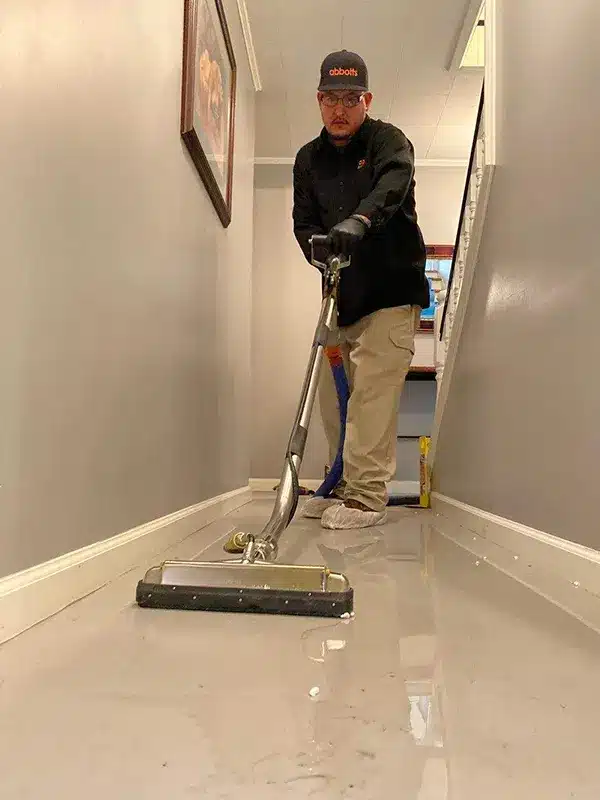
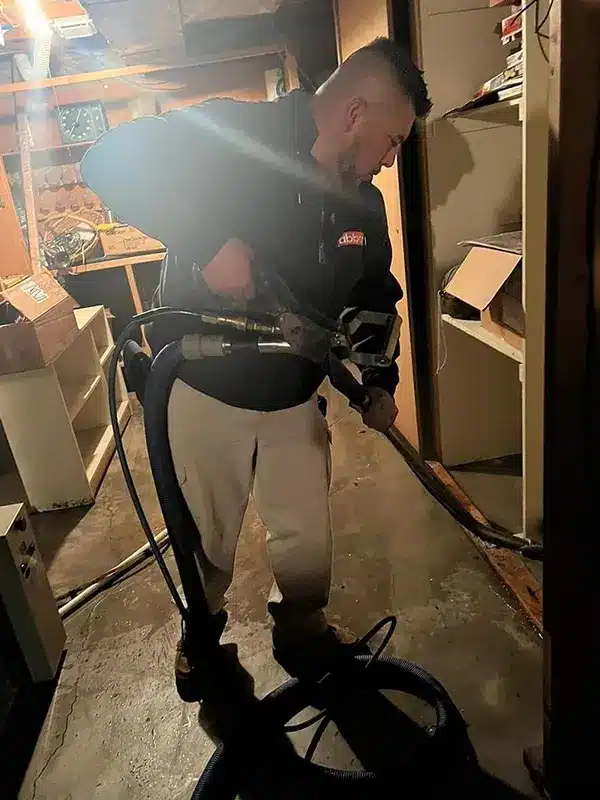
Most sewage cleanup service jobs require special protective equipment as well water extraction, drying and dehumidification equipment and professional grade decontamination solutions. Qualified sewage cleanup companies will conduct sewage removal as well as damage repair, decontamination, sanitation and odor removal. In short, they can completely clean, sanitize, and restore your home. Professional sewage cleanup services will also help coordinate your insurance claim.
Sewer backups are an emergency. The water can carry viruses, bacteria, and other microbes that cause serious illness, so the cleanup has to be fast and done correctly. A sewage spill may not look as destructive as a fire, but the health hazard is higher.
Most jobs require protective equipment, professional water extraction and drying gear, and industrial decontamination solutions. A qualified Denver sewage cleanup company handles removal, decontamination, sanitation, and odor control, then repairs the damage and coordinates your insurance claim from start to finish.
If it is not managed properly, sewage repair costs escalate quickly and can lead to greater property damage and serious personal injury. Contact Abbotts today for expert help.

Expertise and Range of Services
A sewage cleanup company that also handles water damage, mold, and full restoration is a safer choice than one that only does extraction. Broad capability is the fastest way to judge whether a company can take your job from cleanup all the way through reconstruction.
Verified Online Reviews
Look for a Denver sewage cleanup company with a strong reputation. Read online reviews and check with the Denver Better Business Bureau to find someone you can trust. Licensed, certified and insured sewage cleanup professionals use industry-specific estimating software, too.

Common Causes of SEWAGE Damage
- PSewer Surge or Backup
- PToilet Overflow
- PTree Root Infiltration
- PBroken or Collapses Sewer Lines
Health Risks of Sewage Contamination
Raw sewage is a genuine health hazard, not just a mess. It carries E. coli, salmonella, hepatitis A, and other bacteria and viruses, plus airborne contaminants that spread beyond the visible spill. In Denver’s finished basements, sewage soaks into carpet, pad, drywall, and subfloor, where bacteria and mold multiply within 24 to 48 hours.
Do not enter a Category 3 area without protective equipment. Keep children and pets out, shut off HVAC so contaminated air is not circulated, and turn off electrical power to the area if there is any chance of contact with standing water.
Our crews follow IICRC decontamination protocols. We work in full PPE, contain the affected zone, remove porous materials that cannot be safely cleaned, and apply hospital-grade antimicrobials before drying. When the contamination is severe, our biohazard cleanup professionals manage the full decontamination so your property is safe to occupy again.
Answering Your Sewage Damage Questions
What should I do immediately after a sewage leak?
Vacate sewage-contaminated areas right away! Areas with sewage spills should not be occupied by people who are not wearing personal protective equipment as they are dangerous. Turn off electrical power in the area if there is any chance of electrical wires, extension cords or appliances coming into contact with standing water or wet materials. Protect uncontaminated contents from contamination.
What does it mean to mitigate sewage damage?
Mitigation means limiting the damage before it gets worse. Most insurers require it. For sewage, that means immediate containment, extraction, and drying so contamination does not spread and mold does not take hold while the claim is processed.
What if my loss is not covered by insurance?
We accept major credit cards and can work with you on the cost. We also offer several financing options, and you can ask about our Relief Discount for uninsured damage.
Is sewage backup covered by homeowners insurance?
It depends on your policy. Standard homeowners policies often exclude sewer backup unless you carry a specific sewer or water backup endorsement. We document the loss in detail and coordinate directly with your adjuster so nothing covered gets missed.
How long does sewage cleanup take?
Most residential Denver sewage cleanups take one to three days for extraction, decontamination, and drying. Timelines depend on how far the contamination spread and how much porous material has to be removed. Any reconstruction is scheduled after the area is confirmed dry and safe.

24/7 Emergency Sewage Cleanup for Greater Denver
Sewage is a health hazard, so response time matters more than it does for standard water damage. Abbotts responds 24/7/365 and is typically on-site within 60 minutes across the Denver metro. The faster we contain and extract, the less contamination reaches your framing, flooring, and HVAC.
Call (303) 975-4000 now for emergency sewage cleanup. We serve Denver and the surrounding metro, from Capitol Hill and Wash Park to the suburbs.

Common Causes of Sewage Damage in Denver
Denver’s climate and older sewer infrastructure drive most of the sewage backups we respond to. Freeze-thaw cycles at 5,280 feet crack sewer laterals through the winter. Spring snowmelt and heavy summer thunderstorms overload aging combined sewer mains, which pushes waste back into basements. Expansive clay soil across the metro shifts and fractures lateral lines, and mature tree roots in neighborhoods like Wash Park, Congress Park, and Berkeley infiltrate clay pipe joints. Because so much Denver housing stock is basement-heavy, a single backup often hits a finished lower level.
Most common causes we see:
– Sewer main surge or municipal backup after Denver storms
– Toilet overflow and clogged laterals
– Tree root infiltration in mature neighborhoods
– Broken or collapsed sewer lines
– Freeze-thaw cracking of sewer laterals
– Clay soil movement stressing pipe joints
– Sump pump failure during storm surge
– Aging clay pipe in older Denver homes
Sewage Contamination Categories in Denver, CO
Not all water damage is equal. The restoration industry classifies contaminated water into three categories, and the category determines how the cleanup is handled, what has to be removed, and whether materials can be saved. Knowing the category also helps you understand your insurance claim. Denver sewage backups are almost always Category 3, the most hazardous type.
| Category | What It Is | Common Denver Source | How Abbotts Handles It |
|---|---|---|---|
| Category 1: Clean Water | Water from a sanitary source that has not yet contacted contaminants. Low health risk if handled quickly. | Supply line breaks, overflowing sink, appliance line failures in Denver homes. | Fast extraction and structural drying with commercial dehumidifiers before it degrades to Category 2. |
| Category 2: Gray Water | Water with significant contamination that can cause illness on contact or ingestion. | Washing machine and dishwasher discharge, sump pump failure during storm surge, toilet overflow with no solids. | Containment, extraction, antimicrobial treatment, and removal of porous materials that cannot be decontaminated. See our gray water contamination and biohazard cleanup process. |
| Category 3: Black Water (Raw Sewage) | Grossly contaminated water carrying bacteria, viruses, and pathogens. The most hazardous class of water damage. | Sewer main backup, sewage overflow, toilet overflow with solids. The typical Denver sewage backup. | Full PPE, hazard containment, extraction, removal of contaminated porous materials, decontamination, sanitizing, and odor removal, followed by restoration. |
The Sewage Cleanup & Restoration Process in Denver
How the Restoration Process Works
The sewage cleanup process is not just extraction. Done wrong, it leaves contamination behind and drives long-term damage. Here is how we handle it:
– Detailed inspection of the sewage spill with infrared cameras and moisture meters to map the full extent of the damage
– Containment systems to stop contaminants from spreading
– Thorough cleaning and decontamination of structure and contents
– Water extraction, drying systems, and dehumidification
– Antimicrobials and sanitizers to prevent mold growth
After cleanup, we prepare detailed estimates for any reconstruction and repairs, from flooring and drywall to structural work, so your property is returned to a pre-loss condition.
Denver Metro Areas We Serve for Sewage Cleanup
We provide 24/7 sewage cleanup and removal across the greater Denver area, including:
Denver, Aurora, Lakewood, Littleton, Centennial, Highlands Ranch, Westminster, Englewood, and Castle Rock. Neighborhoods we serve often include Wash Park, Congress Park, Baker, Berkeley, Capitol Hill, and Cherry Creek.


