

Mold Remediation in Denver, CO
Our trained crews fully eradicate mold growth from your home or business, and we back the work in writing.
Abbotts Cleanup & Restoration is a Denver mold remediation company serving homeowners and businesses across Denver County and the Denver Metro Area. We find the moisture source, contain the contamination, remove the mold at the root, and restore your property so it does not come back. Most mold problems start with water, so if you are dealing with a recent leak or flood, our water damage restoration Denver team can dry the structure before mold ever forms, and our 24/7 emergency response is available the moment you call.
Mold Remediation Services Near Me in Denver, CO

Services
- P24 / 7 Emergency Response
- PMold Inspection
- PMold Remediation
- PMold Removal
- PBlack Mold Removal
- PWater Damage Cleanup
- PDecontamination
- PProperty Restoration
- PInsurance Claim Management
- POne Year Warranty
- PFinancing Options
Do I need professional mold removal?
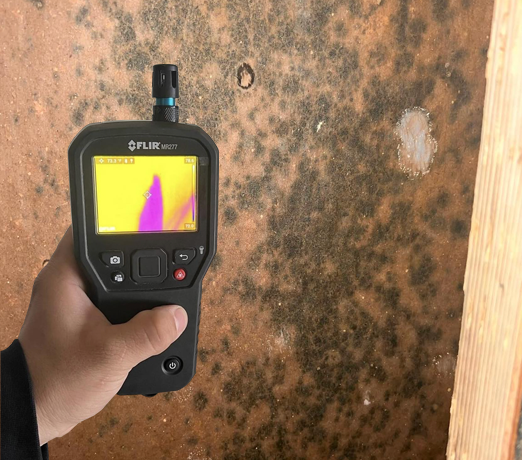
Excessive moisture is the number one reason Denver property owners need mold remediation. Mold hides in wall cavities, under flooring, and inside HVAC systems, often growing for weeks before anyone sees it. A professional inspection locates both the mold and the water source feeding it, using infrared cameras and moisture meters to read what the eye cannot.
The EPA guideline is clear: contamination larger than 10 square feet should be handled by a professional, not a homeowner. DIY cleanup often spreads spores to clean parts of the house and puts you at risk of exposure. Our crews follow containment and air filtration protocols that meet state and local standards, so the mold is removed once and verified, not disturbed and spread. When mold is tied to sewage or contaminated water, the job also requires biohazard cleanup handled by trained technicians.
When Does Mold Appear After Water Damage?
Most mold problems in Denver start as a water problem. If your home took on water from a burst pipe, a roof leak, or spring snowmelt, the clock is already running. Fast, professional water damage restoration Denver drying is what stops mold before it ever colonizes. Wait too long, and a water claim turns into a mold claim.
The 72 to 96 Hour Mold Growth Window
Mold begins colonizing porous materials like drywall, carpet, and framing within 72 to 96 hours of water exposure. It needs three things to take hold: moisture, a temperature between 40°F and 100°F, and relative humidity above 60%. Denver Metro homes hit all three regularly. Snowmelt season pushes water into basements and crawl spaces while HVAC systems sit off, roof leaks after hail soak attic insulation, and plumbing failures saturate subfloors. If water has been sitting for less than four days, drying it fast still prevents mold. Past that window, remediation is usually required.
Signs Mold Has Developed After Water Damage
After a water event, watch for a persistent musty or earthy smell, discoloration spreading on drywall or baseboards, and respiratory symptoms that ease when you leave the house. Warped flooring, peeling paint, and condensation on cool surfaces are common in older Metro Denver homes with poor vapor barriers. If you see or smell any of these in the weeks after water damage, call for an inspection before the problem spreads behind the walls.
We work with ALL insurance providers.

Denver’s Humidity Swings and What They Mean for Mold in Your Home
Denver reads as a dry climate on paper, but the day-to-night temperature swings across the Denver Metro Area drive condensation cycles that mold thrives on. Warm afternoons followed by cold nights pull moisture onto cool surfaces inside crawl spaces, basements, and behind exterior walls. Spring snowmelt sends runoff into below-grade rooms, and summer hailstorms open roofs to slow leaks that feed attic mold for months. Older bungalows in neighborhoods like the Highlands, Park Hill, and Wash Park were built with thin or missing vapor barriers, which makes hidden moisture buildup common. Abbotts Cleanup & Restoration addresses the moisture source first using infrared imaging and moisture meters, then contains and removes the mold with HEPA air filtration and indoor air quality controls so it does not return.
Common Causes of Mold Growth in Denver
- PLeaking Pipes
- PFoundation Leaks
- PRoof Leak
- PAttic Leaks
- PLeaky Windows
- PLeaking Appliances
- PHigh Humidity
- PImproper Ventilation

What is the Mold Remediation Process?
Mold remediation professionals remove mold using a variety of methods depending on the size and complexity of the contamination. A widely followed remediation protocol is the Environmental Protection Agency’s Mold Remediation in Schools and Commercial Buildings. The basic methods and principles are a good guide for professional remediation of any building, including homes.
How does the mold remediation process work?
- Detailed inspection of the potential mold infestation
- Visual examination of the structure
- High-tech infrared cameras and moisture meters detect excessive moisture
- Mold test, if necessary
Detailed mold removal costs are prepared using industry-specific estimating software. Leaks are repaired while containment and ventilation protocols are deployed. Water extraction, drying systems and dehumidification may also be initialized. Mold remediation protocols are used to develop a mold removal plan which may include: demolition of mold damaged area and/or cleaning, decontamination, deodorizing, and sanitizing the mold infestation.

Need an expert?
We are standing by 24/7 to help with your water damage emergency.
How to Select a Denver Mold Remediation Company
Mold remediation is a job that demands prompt attention. Mold often creates a musty odor and mold can create serious health complications. Before getting started, check out these Mold Cleanup Tips from the EPA.
If you don’t actually know how to go about the process mold removal and cleaning, attempting to get rid of it on your own could actually make the problem worse while putting your own health at risk. The cost of mold removal services companies may seem high but in the long run doing it yourself will likely cost even more. Yet, what do you look for in a professional mold removal services company? You should take your time and exercise due diligence to hire the right mold remediation company for your job.
Find a Professional Mold Removal Services Company
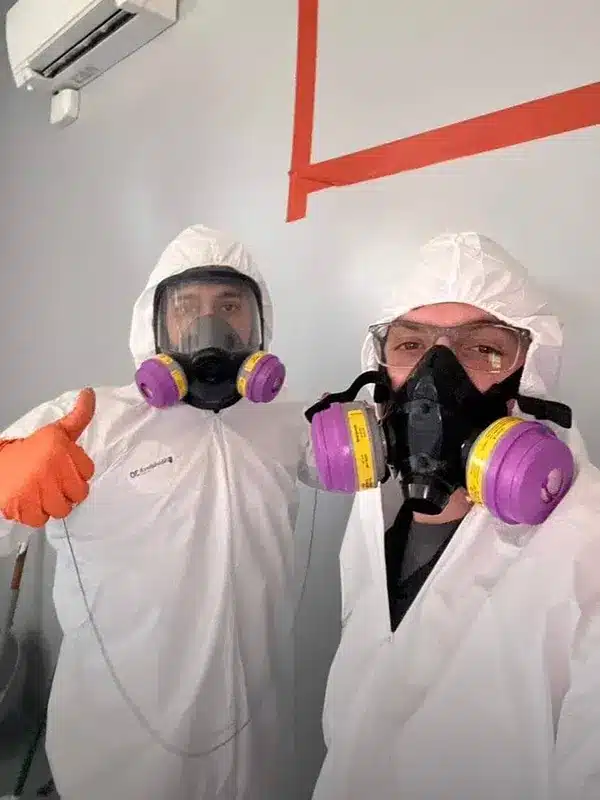
Hiring a professional mold removal company for mold remediation is not required but is generally safer and more effective than a “do-it-yourself” approach because of the use of specialized equipment and safety precautions to reduce exposure to mold. These include the use of protective clothing, a respirator, and eye protection.

Why Hiring the Wrong Restoration Company Can Cause Mold
The biggest mold problems we see often start with a rushed or incomplete water damage job done by someone else. If a restoration crew pulls their equipment too early, dries only the surface, or never checks moisture inside wall cavities and subfloor, the trapped water keeps feeding mold long after the visible water is gone. Three to four weeks later the homeowner is dealing with a mold claim that the original drying should have prevented. Abbotts Cleanup & Restoration verifies drying with moisture data, not guesswork, and our technicians are IICRC trained, so the structure reaches documented dry standards before we close out a job. Doing water damage right the first time is the cheapest mold prevention there is.
Mold, Your Health, and Indoor Air Quality
Mold is more than a cosmetic problem. Spores circulate through your air and can trigger coughing, congestion, throat irritation, and worsened asthma or allergy symptoms. People with breathing conditions, young children, and older adults are the most sensitive. Black mold in particular can cause serious health effects even in healthy people with enough exposure. Because mold spreads through the air, every hour it sits affects your indoor air quality. Professional remediation does not just remove the visible growth, it captures airborne spores with HEPA filtration and restores the air in your home to a safe condition.

Mold Types Denver Homeowners Should Know
Types of Mold Found in Denver Homes
Black Mold
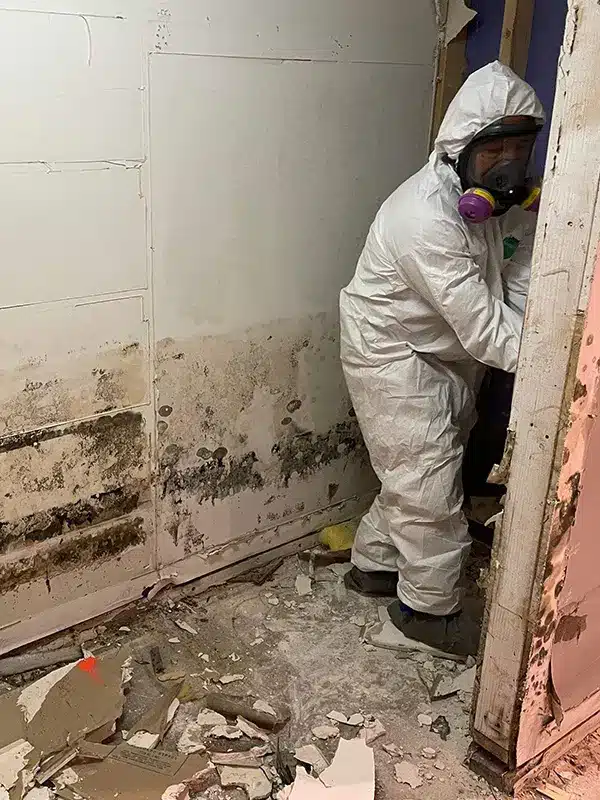
Black mold (often Stachybotrys chartarum) is the type that generates the most concern, and for good reason. It grows on water-soaked drywall, wood, and insulation, and it is linked to the most serious health complaints. Black mold should never be disturbed by a homeowner, because cutting or wiping it releases spores throughout the structure.
Green Mold
Green mold is a broad group that grows as fuzzy or powdery patches on damp surfaces like grout, drywall, and wood. It spreads quickly in bathrooms, basements, and around plumbing leaks. It is common in Denver homes after slow, undetected leaks.
Fuzzy Mold
Fuzzy white or gray mold forms in cool, poorly ventilated spaces such as crawl spaces, closets, and cabinets under sinks. It signals trapped moisture and inadequate airflow, both common in older Metro Denver construction.
The company of choice for mold damage remediation
















Why Denver Property Owners Choose Abbotts for Mold Remediation
Types of Mold Found in Denver Homes
Free Mold Inspection and Honest Scope
Black mold (often Stachybotrys chartarum) is the type that generates the most concern, and for good reason. It grows on water-soaked drywall, wood, and insulation, and it is linked to the most serious health complaints. Black mold should never be disturbed by a homeowner, because cutting or wiping it releases spores throughout the structure.
Direct Insurance Billing, We Handle the Claim
When mold results from a covered water event, Abbotts bills your insurer directly and documents the loss for the adjuster. We manage the claim paperwork so you are not fighting that process during a stressful time.
Trained, Certified, and Insured Technicians
Our crews follow national remediation standards from the first minute on-site. Containment, HEPA filtration, and verified drying are standard on every project, not upsells.
Mold Testing vs. Mold Remediation: What's the Difference?
Mold testing and mold remediation are two different things, and confusing them costs homeowners time and money. Mold testing, also called mold inspection or air quality sampling, identifies whether mold is present and which species. Mold remediation is the physical removal and treatment process. We perform a comprehensive inspection as part of every remediation project, so in most cases additional third-party testing is not required before we begin work. If you suspect mold but have not tested, we assess the extent during the initial inspection.
What Mold Testing Reveals
Lab testing tells you three things: the mold species present, the spore count in the air, and the risk level based on those readings. That data sets the baseline for a remediation plan and confirms whether what you are seeing is a real hazard.
Sacrificial Lamb Testing
A reliable way to measure contamination is to compare three samples: an outside air sample as the natural baseline, a sample from an unaffected room inside the home, and a sample from the affected room. Comparing all three shows how far above normal the affected area really is.
Third-Party Clearance Testing: The Gold Standard
After remediation, third-party clearance testing is the gold standard for confirming the job is done. An independent lab verifies the spore count has returned to a safe level. Many insurance carriers require it, and it gives you documented proof the mold is gone, not just out of sight.
Mold Remediation Cost in Denver
Mold remediation cost depends on where the mold is, how far it has spread, and which materials are affected. The ranges below reflect typical Denver Metro projects and exclude any reconstruction costs. Every Abbotts project starts with a free inspection, so you get an exact number before any work begins. Most mold is covered by homeowners insurance when it results from a covered water event.
| Project Type | Typical Cost Range | What Drives the Price |
|---|---|---|
| Bathroom mold | $1,500 to $3,000 | Extent of growth, tile vs. drywall, ventilation issues |
| Kitchen sink mold | $700 to $1,500 | Localized under-sink moisture, cabinet and base damage |
| Whole-home residential remediation | $5,000 to $15,000 | Number of rooms, framing or HVAC involvement, drying complexity |
Ranges are estimates for the Denver Metro Area and exclude reconstruction. Call (303) 975-4000 for a free, no-obligation assessment.
Mold Remediation Across the Denver Metro Area
Abbotts provides mold remediation throughout Denver and the surrounding Denver Metro Area, dispatched from our office at 2301 S Jason St. We serve homeowners and businesses in:
– Denver
– Aurora
– Englewood
– Lakewood
– Centennial
– Highlands Ranch
– Westminster
– Castle Rock
– Littleton
We also cover Denver, Arapahoe, Jefferson, Adams, and Douglas counties, including older neighborhoods like the Highlands, Park Hill, and Wash Park where crawl space and vapor barrier issues make hidden mold common.
Your Mold Remediation Questions Answered
How much does mold remediation cost in Denver?
Bathroom mold typically runs $1,500 to $3,000, a localized kitchen sink mold issue runs about $700 to $1,500, and a whole-home residential remediation runs $5,000 to $15,000. These ranges exclude reconstruction. Final cost depends on how far the mold has spread and which materials are affected. Abbotts provides free inspections, so call (303) 975-4000 for an exact number. Most mold is covered by homeowners insurance when it results from a covered water event.
Is mold remediation covered by homeowners insurance in Colorado?
Mold remediation is usually covered when the mold results from a covered event such as a burst pipe, water heater failure, or storm water intrusion. Mold caused by gradual moisture, flooding, or deferred maintenance is typically not covered. Abbotts works directly with all major carriers and can help determine whether your situation qualifies.
Can I stay in my home during mold remediation?
In most residential projects you can stay home if the work is confined to one area with proper containment in place. For large-scale remediation affecting HVAC systems, multiple rooms, or heavy treatment, we recommend relocating for 24 to 72 hours. We advise you on occupancy during the inspection.
What is the difference between mold testing and mold remediation?
Mold testing identifies whether mold is present and which species. Mold remediation is the physical removal and treatment. In most cases Abbotts assesses the contamination during the initial inspection without requiring separate third-party testing before we start. Post-remediation clearance testing is sometimes required by insurers to verify successful removal.
How quickly does mold grow after water damage?
Mold begins colonizing porous materials within 72 to 96 hours of water exposure when temperatures sit between 40°F and 100°F and humidity is above 60%. Denver Metro homes are most vulnerable during snowmelt season, after roof leaks, and following crawl space plumbing failures. If you have had water damage in the last four days, call immediately, because fast drying significantly lowers the chance of mold.
What should I do if I find mold?
Do not scrub or disturb it. Cover the affected area loosely with cellophane or wax paper and tape it down to reduce airflow over the mold. Keep the room closed off to minimize spore spread, turn off fans and HVAC in that area, and wait for a professional inspection. Disturbing mold yourself releases spores into the rest of your home and makes the problem larger.