


Smoke & Wildfire Contamination
Understanding Smoke, Toxic Particles, and Health Risks After Fires
Smoke damage isn’t always visible, but it can significantly impact homes and indoor air quality—even when flames never reach the structure. In Colorado, wildfire smoke can travel long distances and infiltrate homes throughout the Denver area, leaving behind microscopic contamination that settles into materials and air systems.
This affects both wildfire exposure and structure fires, where smoke spreads far beyond the original source.
What Smoke Actually Contains
Smoke is a complex mixture of fine particles and gases created when materials burn, including:
- Fine particulate matter (PM2.5 and smaller)
- Carbon monoxide and other combustion gases
- Volatile organic compounds (VOCs)
- Formaldehyde and other aldehydes
- Heavy metal residues depending on materials burned
These compounds come from everyday building materials like wood framing, insulation, plastics, adhesives, wiring, and household contents. Once released, they spread quickly and embed deep into porous materials.
How Smoke Enters Homes Without Direct Fire Damage
Even without flames reaching a property, smoke can still enter through HVAC systems, vents, attic openings, crawlspaces, and air leakage points. During wildfire events, pressure differences can pull contaminated air indoors.
Once inside, smoke particles settle into drywall, flooring, furniture, ductwork, and insulation—continuing to release odor and contaminants long after the event.
Health Concerns from Smoke Exposure
Smoke contamination is not just an odor issue—it is an indoor air quality concern.
Fine particulate matter can reach deep into the respiratory system and is associated with irritation and asthma-related complications. VOCs and compounds such as formaldehyde are recognized hazardous air pollutants, and long-term or repeated exposure in contaminated environments can present elevated health risks.
Heavy metals like mercury or lead may also be present, depending on what materials are burned, contributing to contamination in settled dust and surfaces.
The key concern is ongoing exposure inside a contaminated structure, not just the initial smoke event.
Why Professional Smoke Restoration Is Necessary
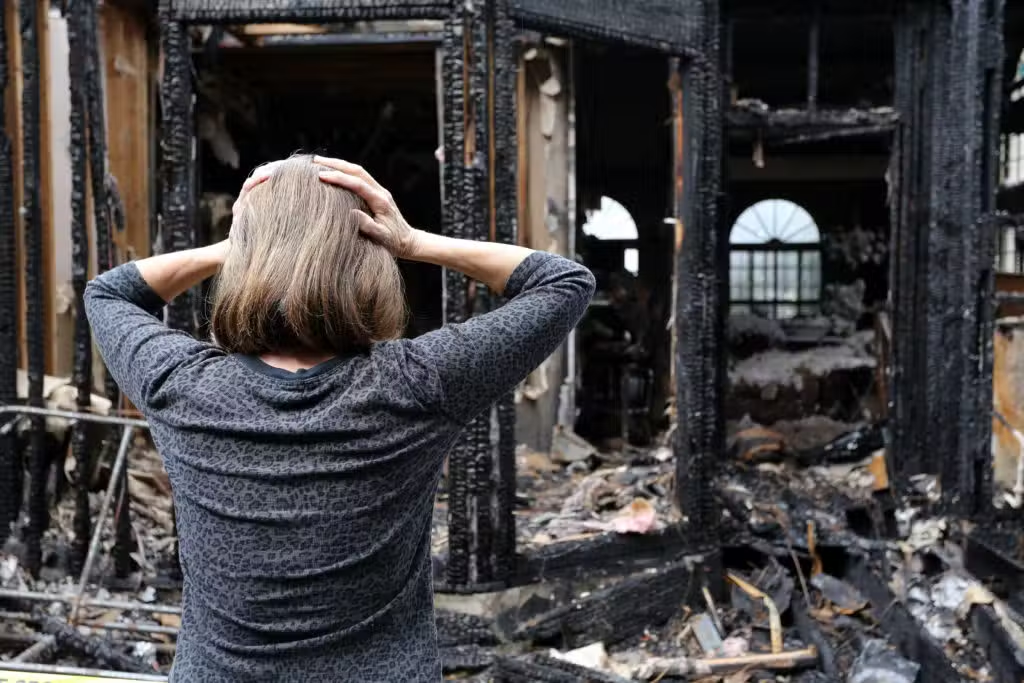
Smoke damage requires more than cleaning. It requires identifying hidden contamination and properly treating both materials and air systems.
A proper restoration process includes:
- Full inspection of smoke-affected areas
- HVAC and duct system evaluation
- Deep cleaning and treatment of affected materials
- Containment to prevent cross-contamination
- Odor and particle neutralization using advanced methods
ClO₂ (chlorine dioxide) is one method used in professional odor remediation. It works as a powerful oxidizer, breaking down odor-causing compounds at the molecular level rather than masking them.
Why Certification Matters
Choosing a qualified restoration company like Abbotts is critical in smoke and wildfire situations. Working with an IICRC Master Certified firm ensures the team follows industry-recognized standards for fire and smoke restoration, proper containment, and safe indoor air recovery.
This level of training helps ensure the contamination is addressed thoroughly—not just visually cleaned.
Local Smoke & Fire Restoration Support
Abbotts Cleanup & Restoration is a Denver-based, family-owned company with over 1,000 reviews, specializing in fire damage, wildfire smoke intrusion, and odor restoration across Colorado.
We help property owners recover from both direct fire events and smoke exposure—even when no flames touched the structure—by quickly and correctly restoring safer indoor environments.
Check out our Fire Damage Survival Guide for more information. Or call us at 1-303-975-4000 for a no-cost, no obligation consultation.